How TasteCraft Approaches Food
TasteCraft is built around practical beginner gastronomy: tasting before guessing, preparing ingredients before heat begins, and learning how seasoning, texture, aroma, and plating shape a simple dish.
Frequently Asked Questions
Do I need cooking experience before starting?
No advanced experience is needed. The course focuses on approachable food basics such as mise en place, tasting in small steps, heat control, texture checks, and reading a recipe with more purpose.
What kitchen tools are useful?
A cutting board, knife, mixing bowls, pan, saucepan, tasting spoon, timer, and measuring spoons are enough for many basic exercises. The focus stays on using simple tools carefully.
Will the course teach full restaurant dishes?
The course begins with the choices behind good food rather than complicated plates. Learners practice seasoning, doneness, ingredient pairing, sauce balance, and simple presentation first.
The Practice Principles
TasteCraft replaces fake chef biographies with clear learning values for beginner gastronomy practice.
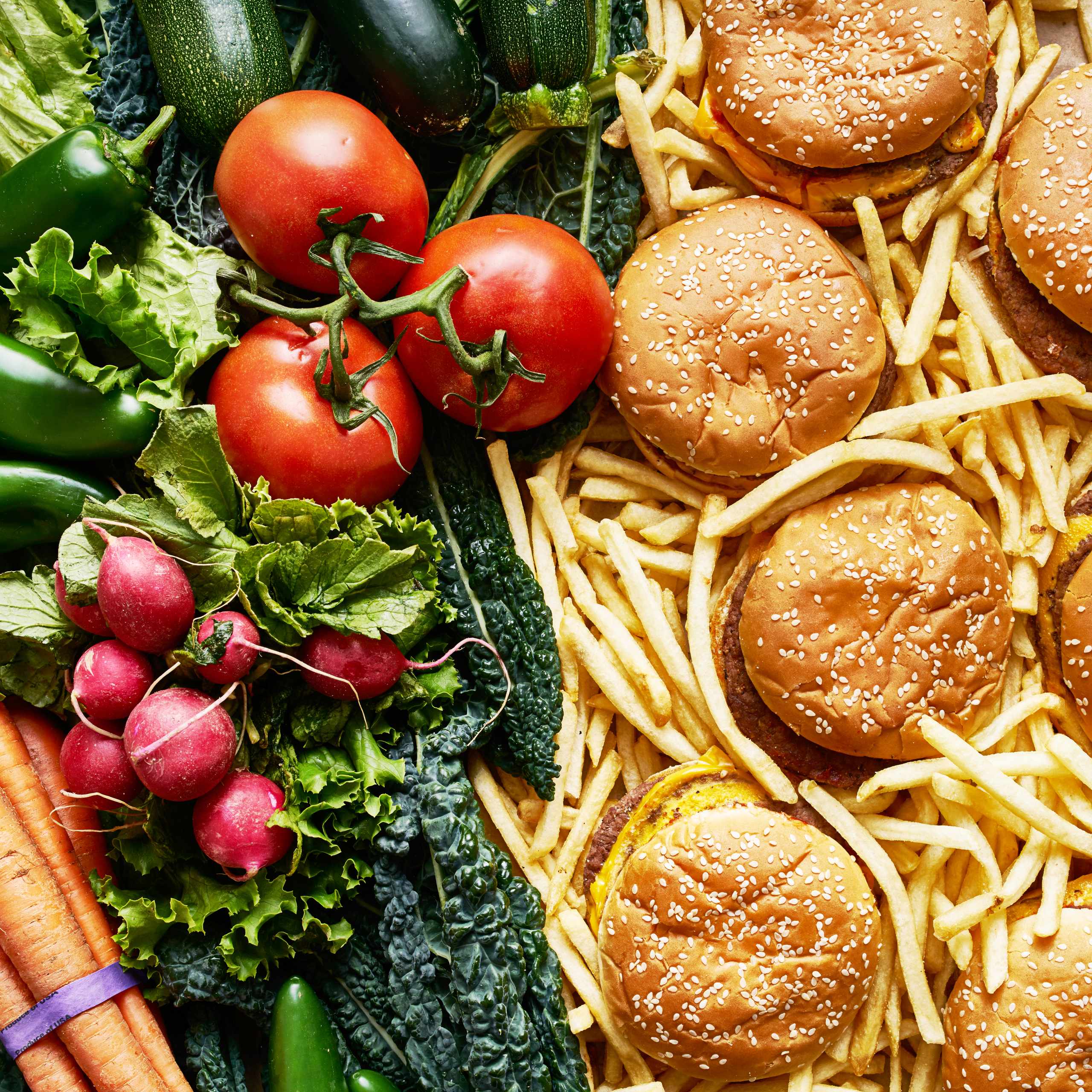
Taste Before Adjusting
Learners practice adding salt, acid, fat, or sweetness in small steps instead of trying to fix flavor at the end.
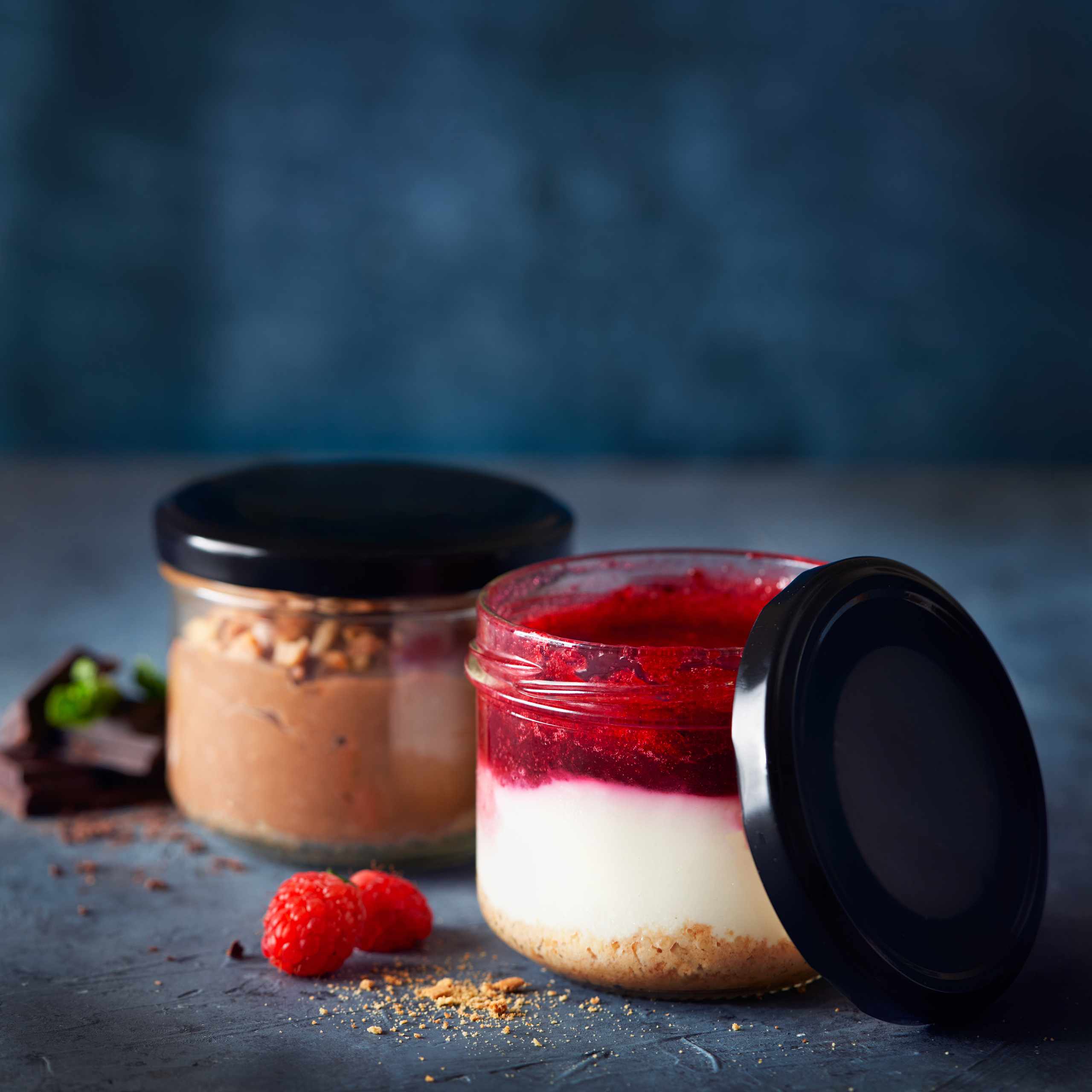
Prepare Before Heating
Mise en place helps ingredients, tools, prep bowls, and timing feel organized before the pan or oven is used.
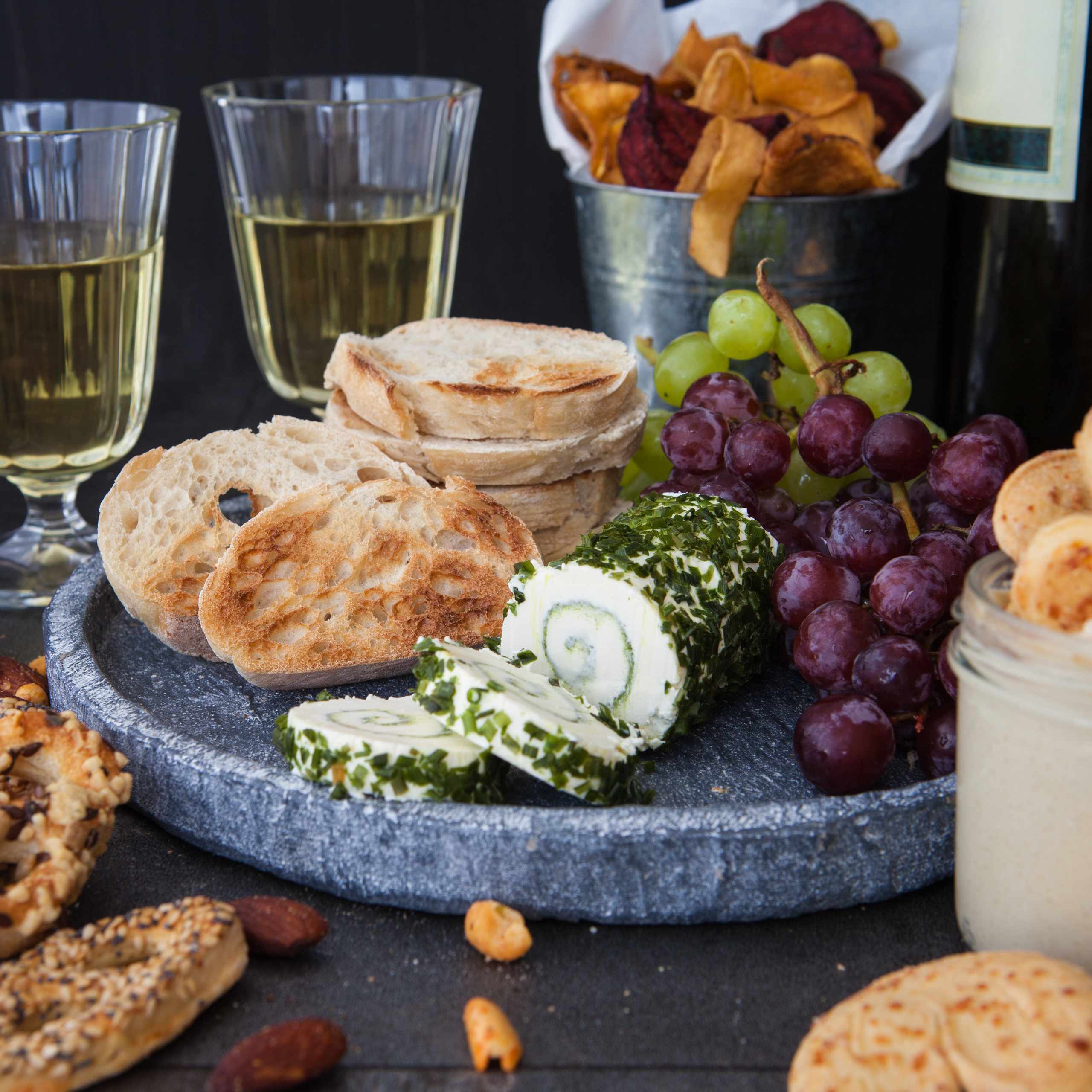
Watch What Food Does
Aroma, browning, steam, moisture, and texture become useful clues, not details to ignore while following a recipe.
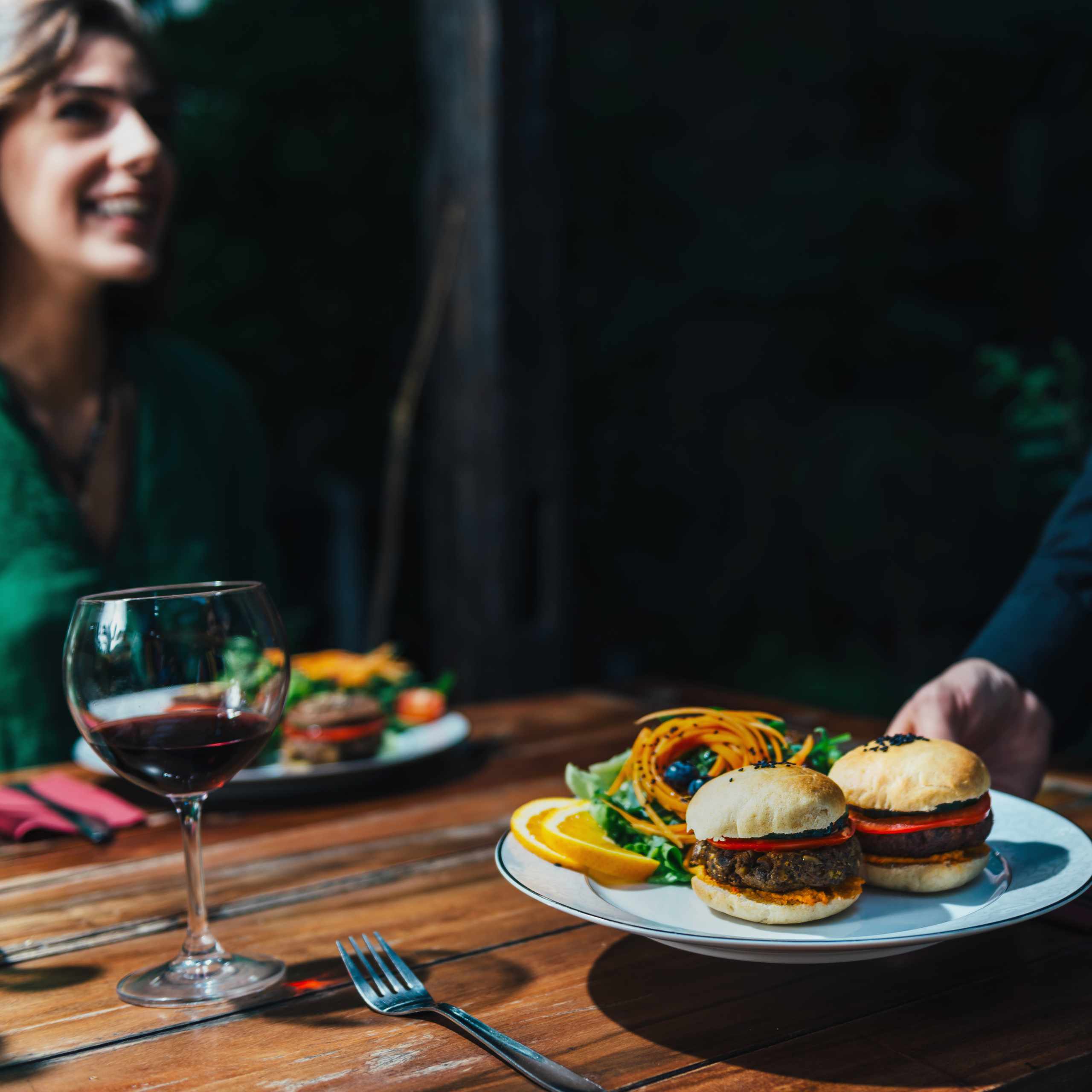
Finish With Intention
Simple plating practice connects portion, sauce placement, garnish, and texture without making the dish look overworked.
Unsure Where To Begin?
Ask about the best starting point if seasoning, pan heat, recipe steps, or basic kitchen setup still feel confusing.
Message Us
Built Around Small Food Decisions
The TasteCraft approach begins with observation. Learners compare taste, aroma, texture, heat, timing, and doneness so each cooking step feels connected to what is happening in the food.
Practice stays repeatable and realistic: one ingredient cooked two ways, one dressing adjusted gradually, one recipe marked for prep, heat, and final checks before anything is rushed.
Mistakes are treated as useful signals. Too much heat, flat seasoning, crowded pans, messy plating, or poor prep order all point to a specific habit that can be adjusted next time.