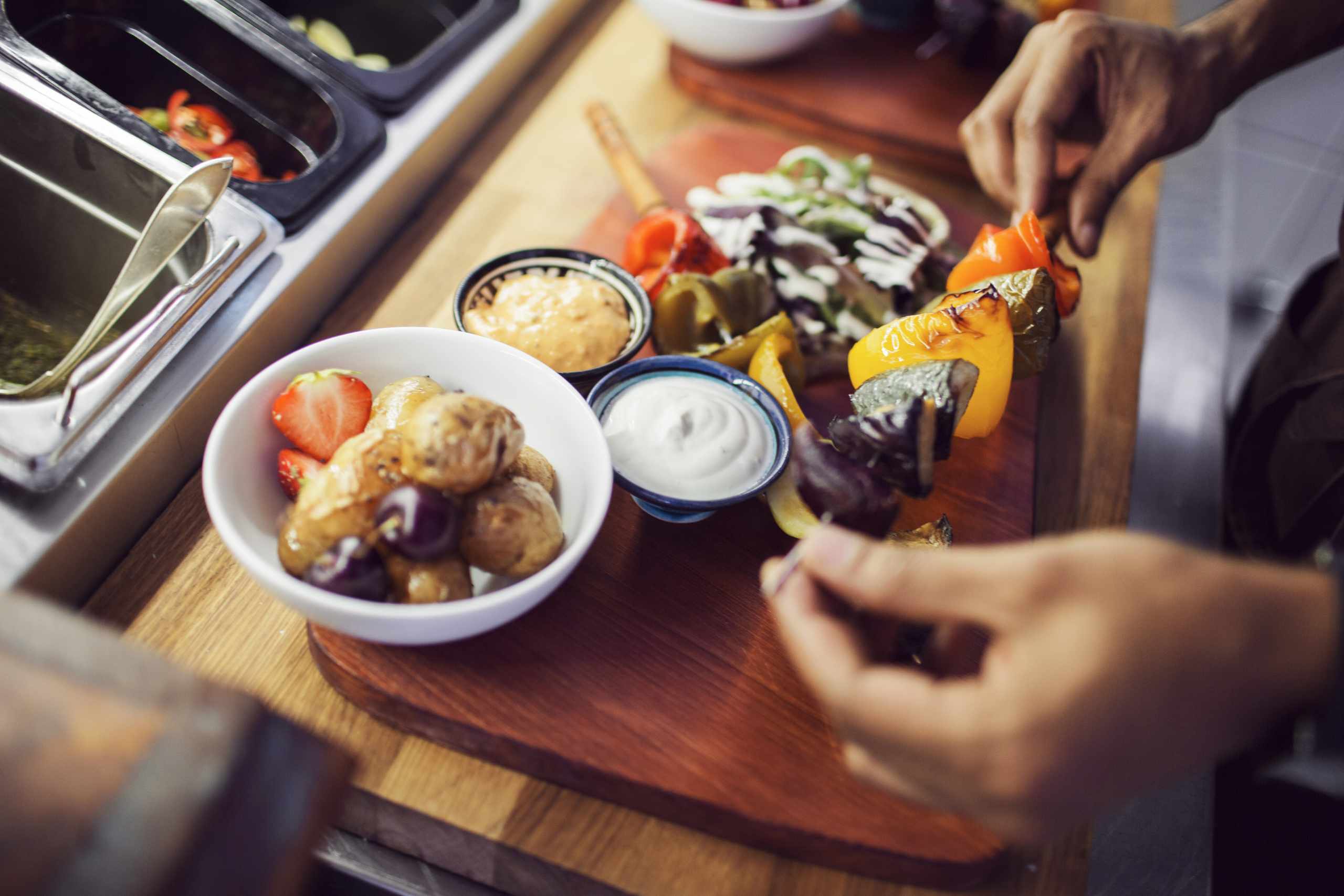
Taste Food With More Control
TasteCraft introduces beginner gastronomy through practical cooking basics: seasoning in small steps, using heat with intention, noticing texture, and building simple plates that feel balanced.
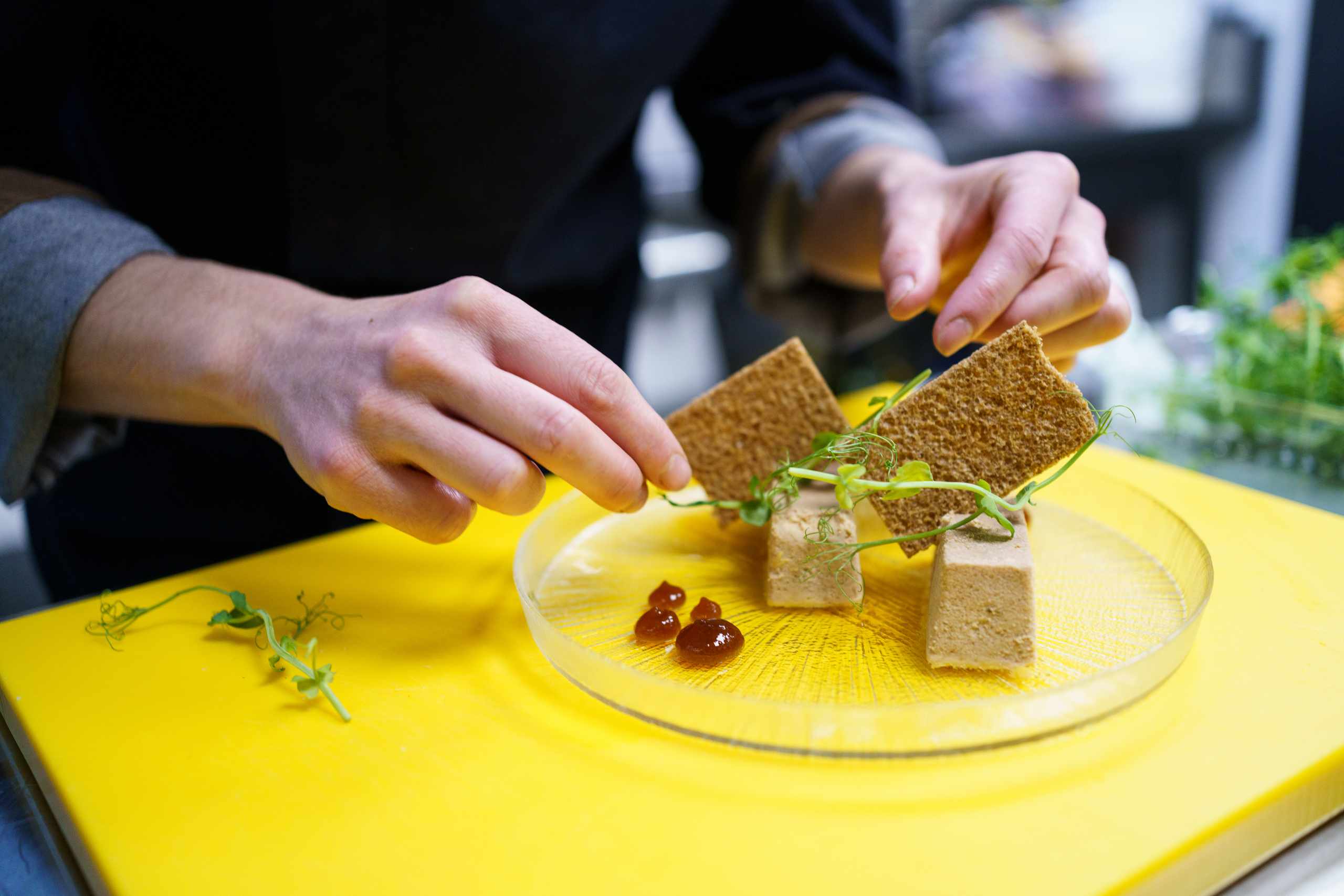
Where Flavor Becomes Easier To Read
TasteCraft focuses on the small decisions that shape a dish: when to add salt, how acidity changes a sauce, why pan heat affects browning, and how texture tells you what needs more time.
Instead of rushing into complicated recipes, the course keeps practice close to everyday ingredients, clear prep bowls, tasting spoons, simple heat methods, and calm checks while food cooks.
Flavor Basics
Heat And Texture
doneness
Prep And Plate
What Learners Notice
I used to add seasoning at the end and hope it worked. The tasting exercises helped me slow down, adjust in smaller steps, and understand why a sauce needed more acid or salt.
The heat practice was very useful. Comparing the same vegetable roasted and sautéed made browning, moisture, and texture much easier to notice while cooking.
Mise en place changed how I approach a recipe. Having prep bowls ready made the cooking feel calmer, and my plating looked tidier without trying to make it fancy.
Practice The Basics Behind Better Food
Work with taste, heat, prep, and plating through small kitchen exercises.

Taste Adjustments
Use salt, acidity, fat, and sweetness in small amounts, tasting after each change so flavor balance becomes easier to understand.

Heat Decisions
Cook simple ingredients with different heat methods and learn to read browning, aroma, steam, moisture, and doneness.

Plate Building
Arrange portions, sauce, texture, and garnish with a simple plan so the final plate looks clean without feeling overworked.
Kitchen Notes For Beginners

Tasting as You Cook: Avoid the Seasoning Trap
A dish can be ready on the eye, yet fall short on the palate. Vegetables may be tender, the sauce…
Read More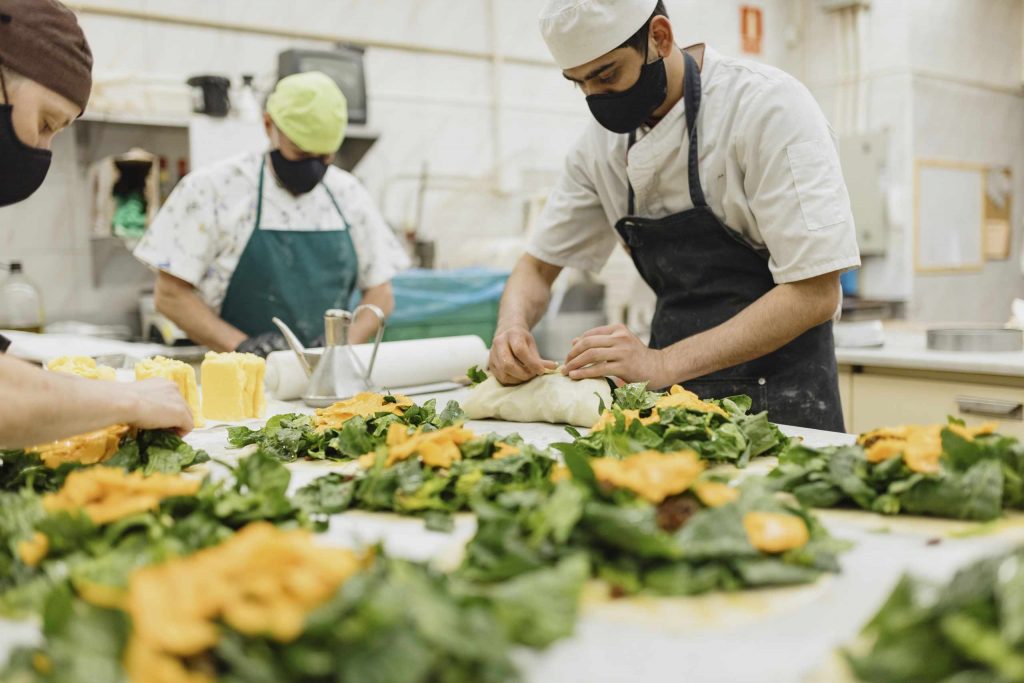
Why Mise en Place Calms the Beginner Cook
A board half-filled with chopped veggies, a pan warming too fast, a recipe requesting you to measure an ingredient not…
Read More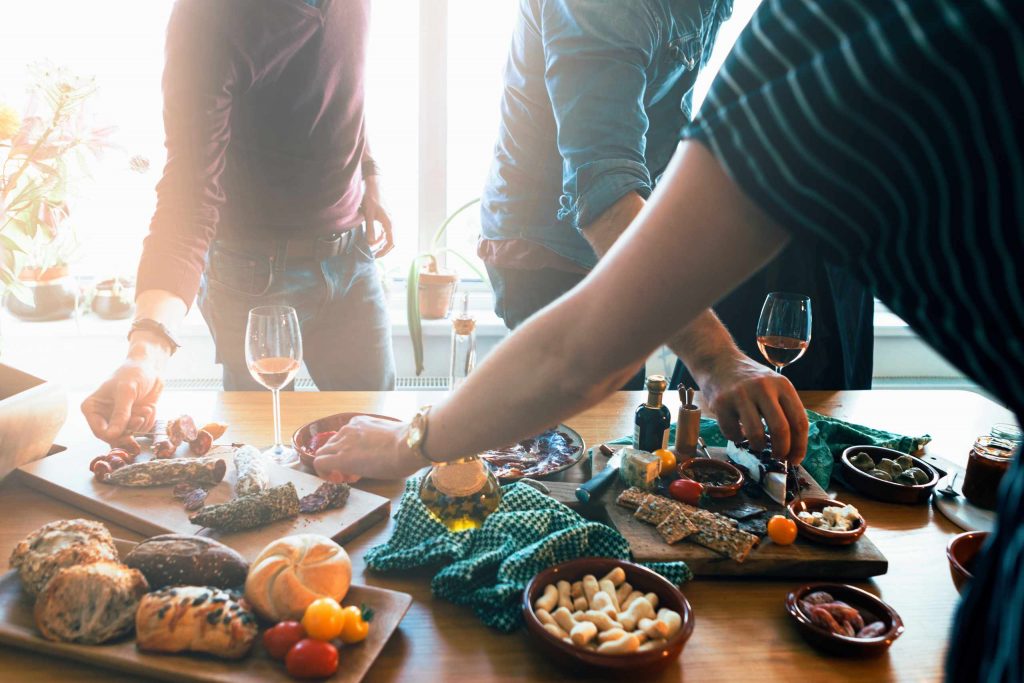
How Salt, Acid, Fat, and Sweetness Transform a Basic Sauce
Stir a dollop of regular yogurt, some olive oil, a squeeze of lemon, and a dash of salt in a…
Read More